By: Muhammad Talha Sidi Bapa – Special Report
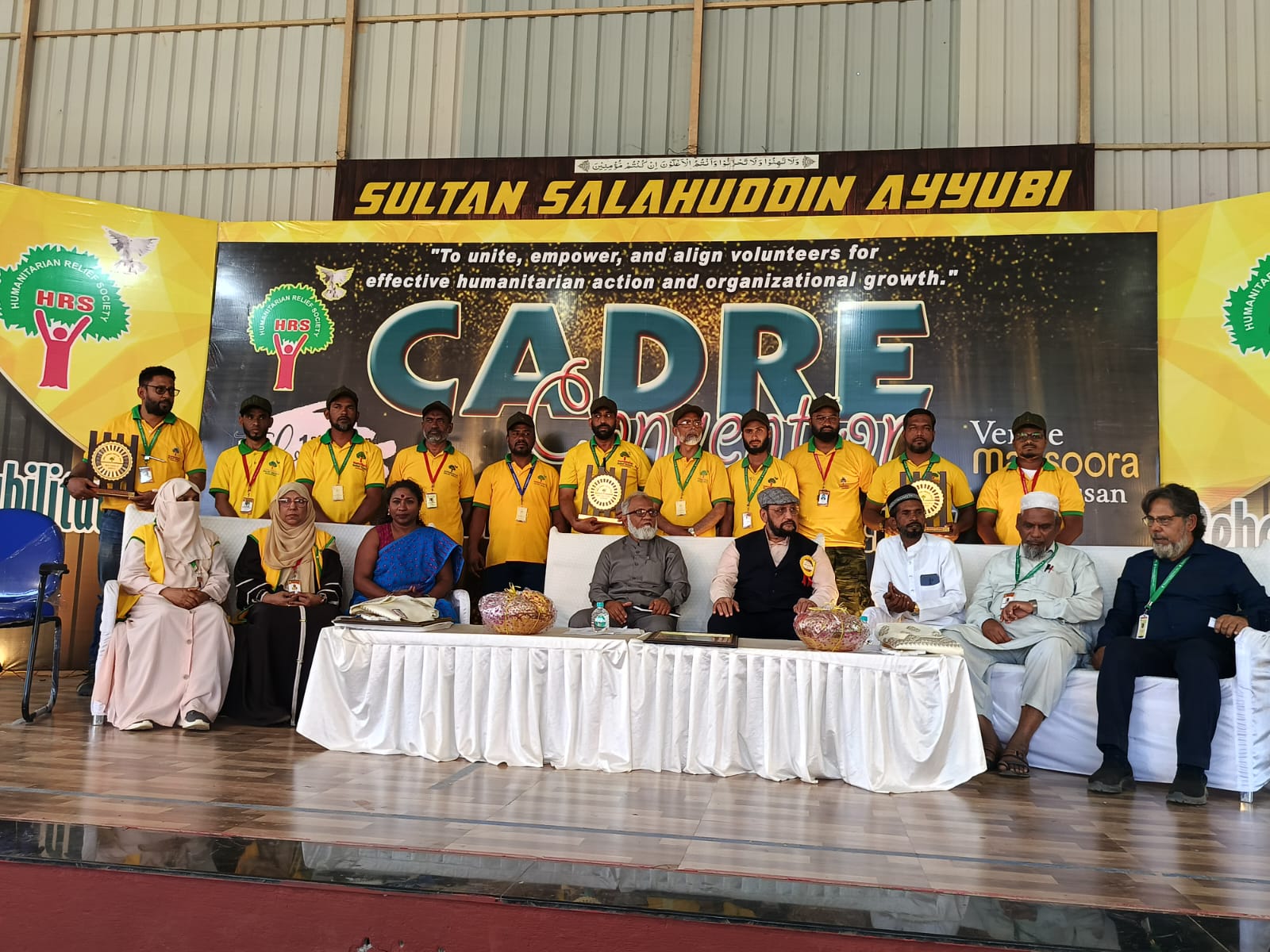
Hassan, Karnataka – The urgency of a simulated explosion sent volunteers into swift action at the Humanitarian Relief Society (HRS) two-day state-level convention held at Alur Mansoorah School Campus on February 1st and 2nd. Equipped with rescue gear, participants rushed to administer first aid, evacuate the injured, and coordinate emergency response procedures. While this was a controlled mock drill, its purpose was clear—to prepare volunteers for real-world emergencies where every second matters.
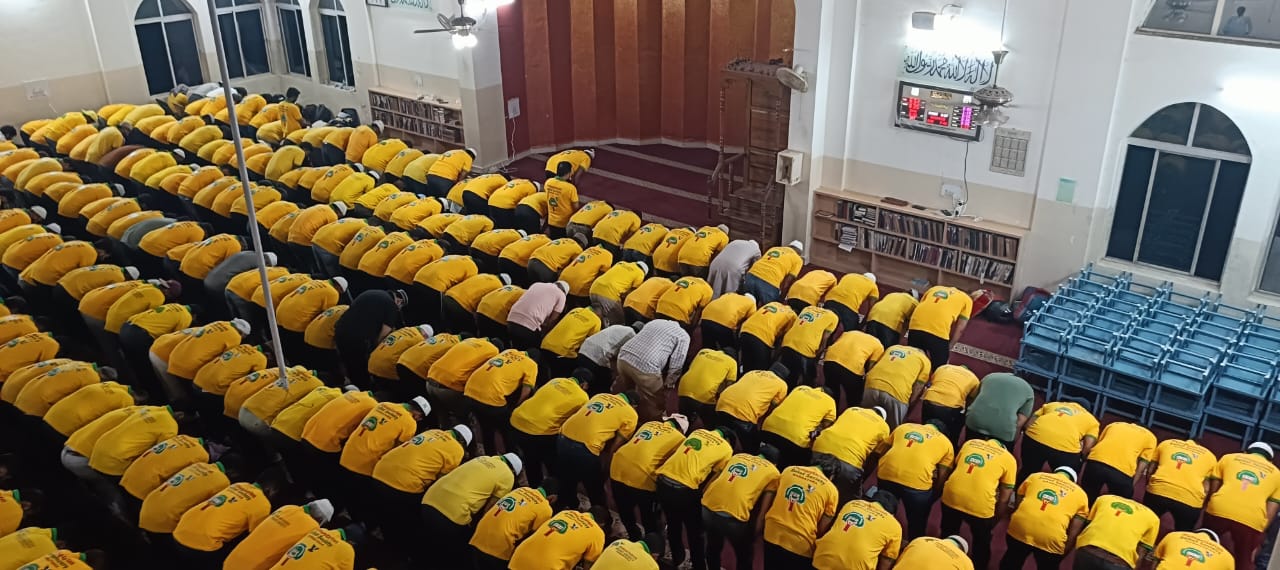
With natural disasters, accidents, and crises becoming increasingly unpredictable, the demand for trained first responders has never been greater. Recognizing this, HRS, a sister concern of Jamaat-e-Islami Hind (JIH) Karnataka, mobilized hundreds of volunteers from across the state, equipping them with critical skills in disaster response, first aid, trauma management, and crisis intervention. Young men and women, united by their commitment to serving humanity, participated wholeheartedly in this initiative.
A Mission of Service and Sincerity
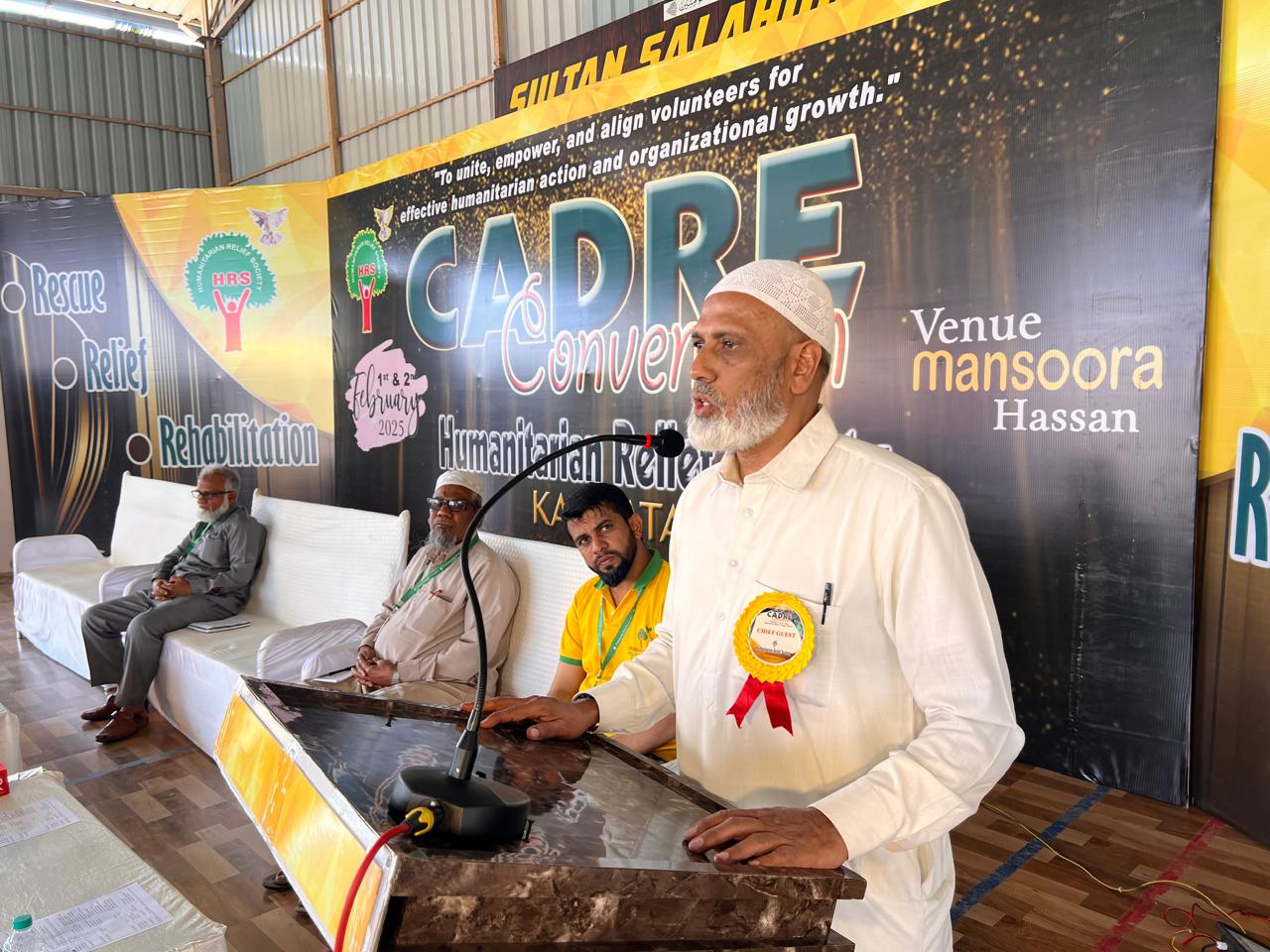
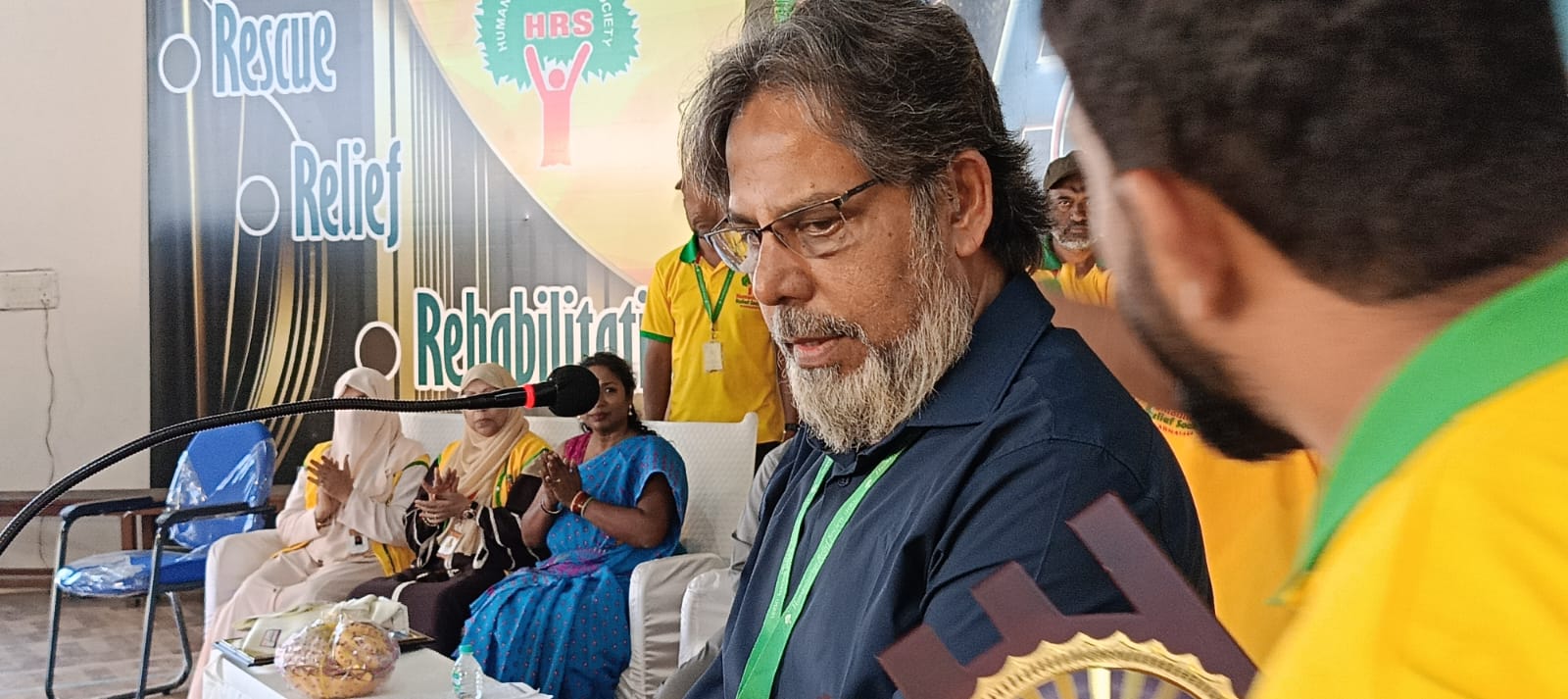
The convention opened with an inspiring keynote address by Atharullah Sharif, a motivational speaker who set the tone for the event. He urged the volunteers to serve with sincerity, seeking only the pleasure of Allah (SWT) rather than worldly recognition.
“True success lies in selfless humanitarian work performed solely for the sake of Allah,” he emphasized, reinforcing the importance of sincerity in relief efforts. His words resonated deeply, strengthening the volunteers’ resolve to serve humanity without expectations of fame or reward.
Sharif also paid tribute to the late Ibrahim Saeed, the visionary behind HRS, acknowledging his enduring legacy. “If he were alive today, he would have been pleased to witness this movement of men and women standing together for a noble cause,” he reflected, reaffirming HRS’s commitment to structured and impactful relief efforts.
Keynote Address: Prioritizing Aid Distribution
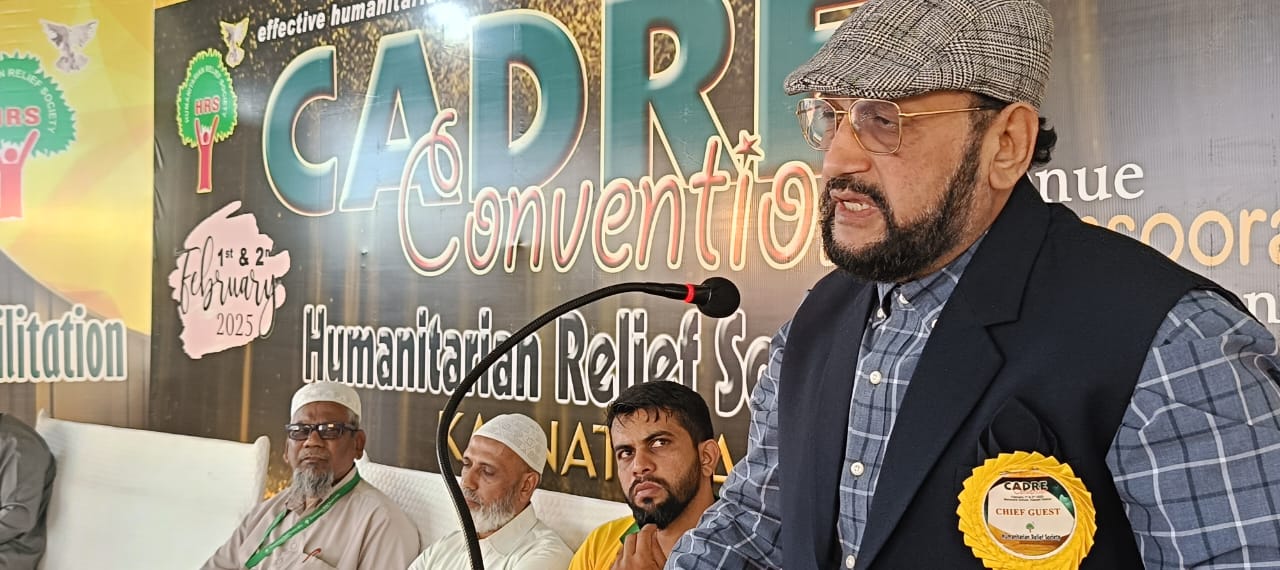
Maqbool Ahmed, a retired IPS officer from Gujarat and founder of the Society for a Bright Future, delivered an insightful address on prioritizing aid distribution during disaster scenarios. He stressed the need for accurate data collection before distributing essential relief supplies.
“Our relief efforts must first reach the most vulnerable—women and children,” he asserted, emphasizing the role of local leadership in ensuring fair and transparent aid allocation. His address provided volunteers with crucial insights into organized and ethical disaster management.
Building Readiness: Practical Training & Real-Time Simulations
One of the most gripping moments of the convention was a real-time disaster simulation. As experts discussed trauma management, a staged explosion triggered an immediate emergency response. Volunteers navigated the simulated chaos, applying first aid and ensuring rapid medical transport, closely mimicking real-life crisis conditions.
“Our goal is to prepare them for real emergencies,” stated Mohammed Markada, General Secretary of HRS. “In high-stakes situations, quick decision-making and teamwork can save lives.”
Beyond simulations, medical professionals provided guidance on physical endurance, nutrition, and stress management, ensuring volunteers could function effectively in extreme conditions.
Physical and Mental Resilience Training
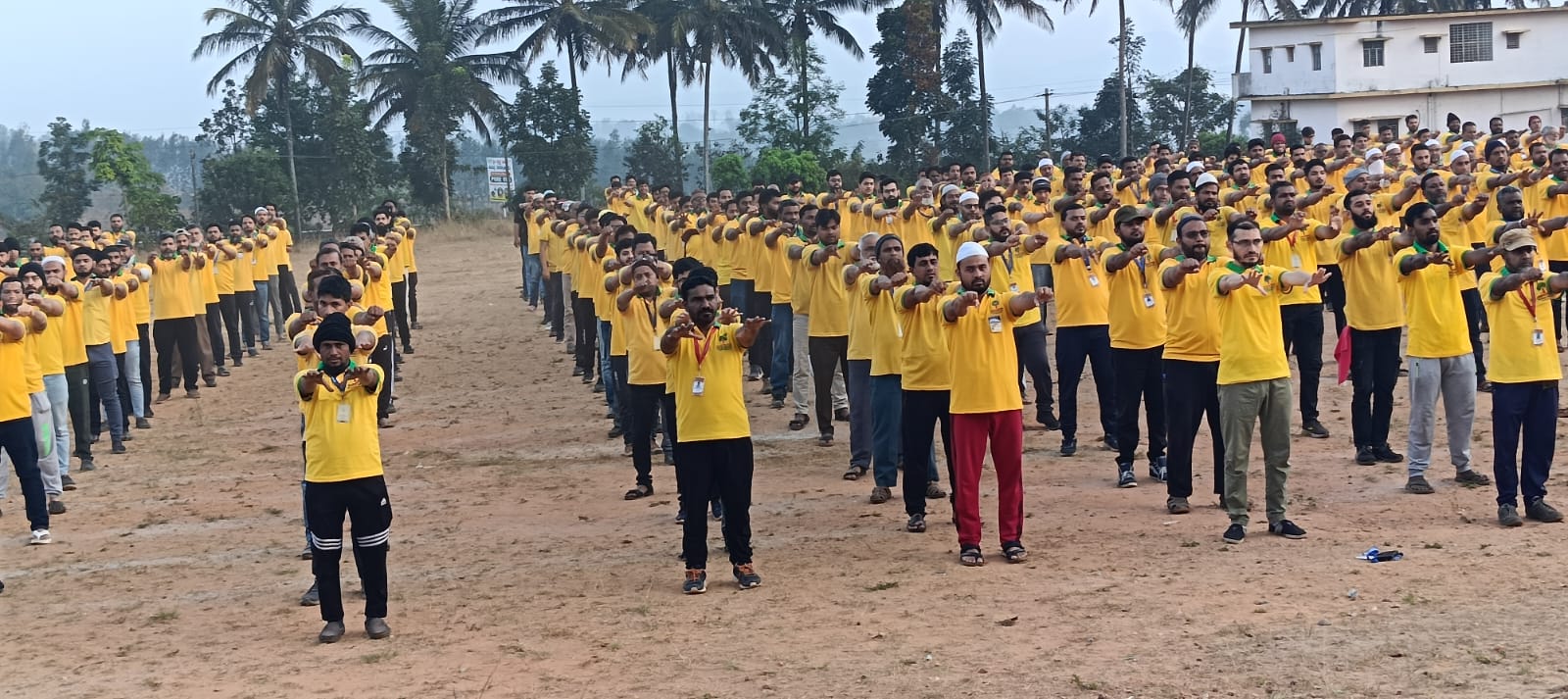
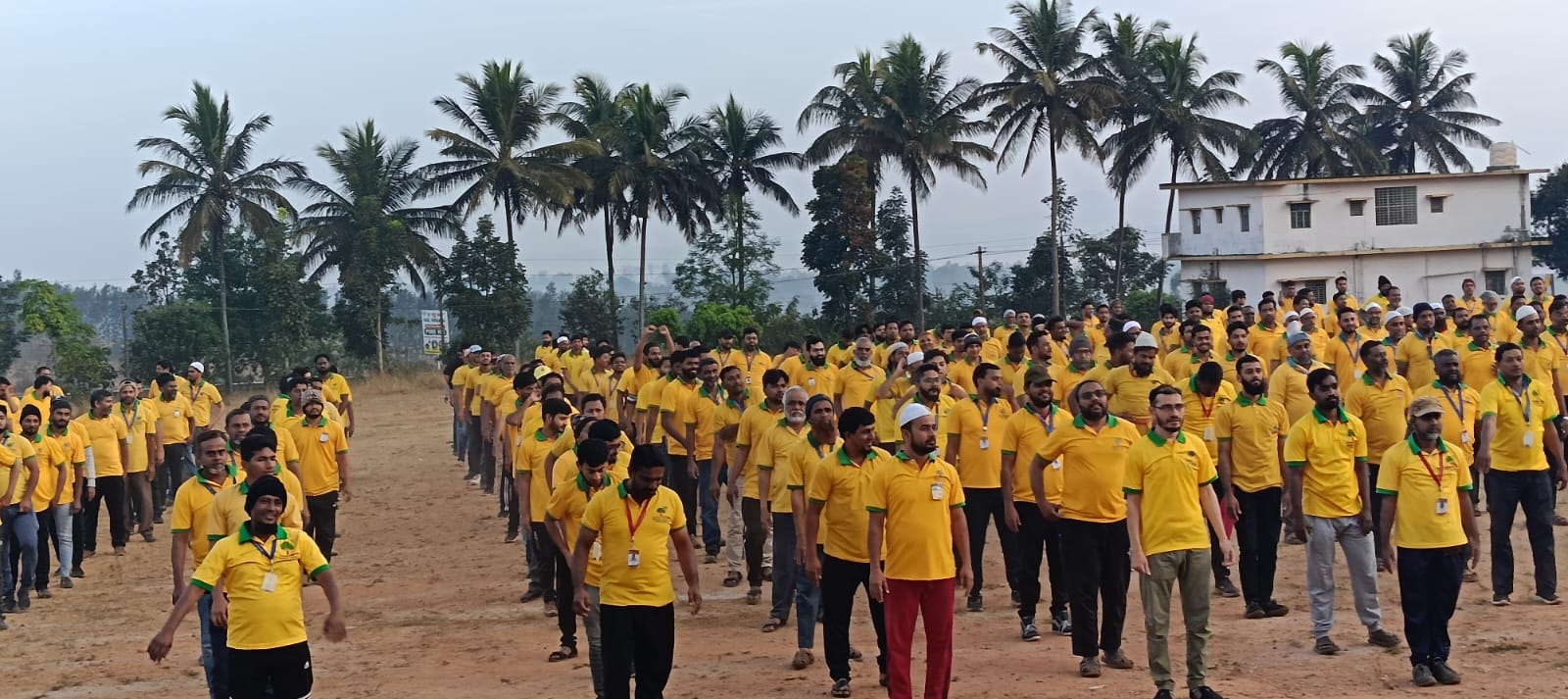
Day two began with an early morning physical training session, featuring endurance drills, strength-building exercises, and team-building activities. Experts highlighted the significance of physical fitness in disaster response, demonstrating techniques to help volunteers sustain energy levels during prolonged rescue operations.
The session underscored the necessity of both mental and physical preparedness for unpredictable emergency situations.
Women in Disaster Response: Breaking Barriers
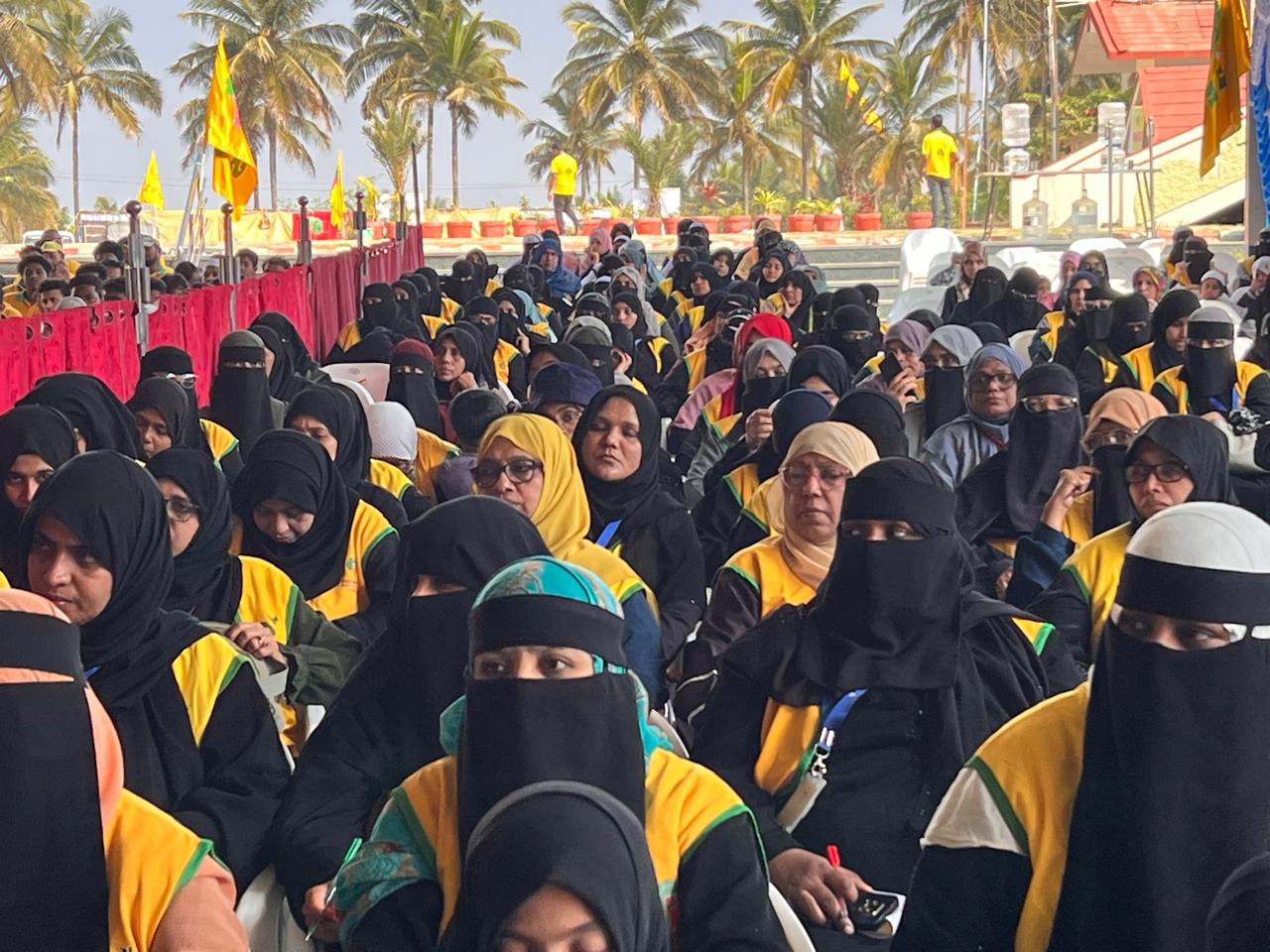
A landmark aspect of the convention was the active participation of women. In a field traditionally dominated by men, Muslim women volunteers trained alongside their male counterparts, learning rescue operations, medical aid, and trauma support techniques.
Dr. Sabah, a participant, shared her transformation: “Before this training, I never imagined myself on the front lines of disaster relief. Now, I am confident that I can make a real difference.”
Panel Discussion: Addressing Gaps in Emergency Preparedness
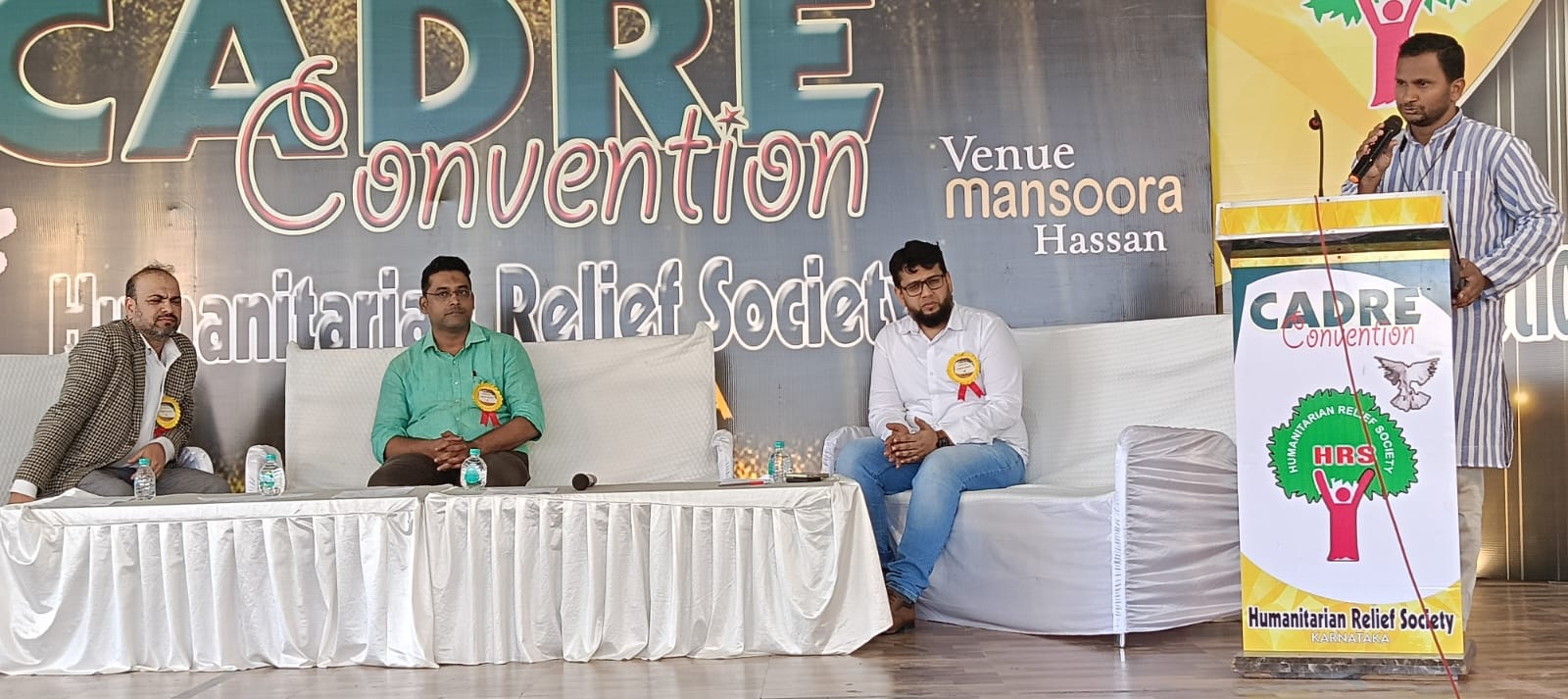
A crucial panel discussion, “Challenges Faced During Emergencies,” featured experts from leading humanitarian organizations, including Tanveer from Mercy Mission, Najeeb from Kerala’s People’s Foundation, and Mohammed Umar from Project Smile. Moderated by Dr. Naseem Ahmed of the Solidarity Youth Movement, the session tackled critical challenges such as corruption prevention, ethical aid distribution, and navigating government bureaucracy.
Panelists provided practical strategies for maintaining transparency and leveraging governmental support to ensure humanitarian efforts remain effective and uncompromised.
The Golden Hour: A Race Against Time
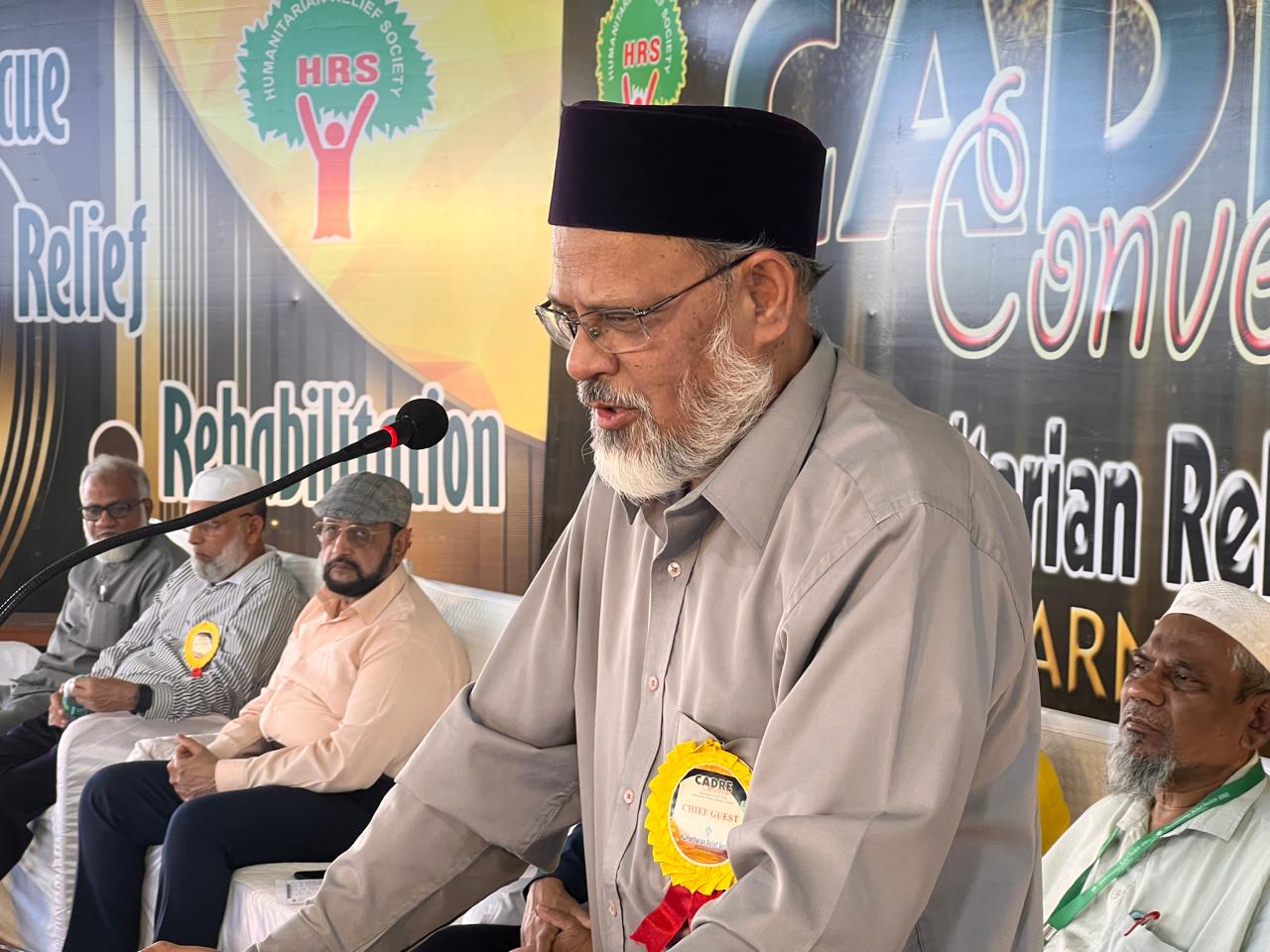
Dr. Mohammad Saad Belgami, Amir of Jamaat-e-Islami Hind Karnataka, delivered the closing remarks, emphasizing the significance of the Golden Hour—the first 60 minutes after a disaster.
“A well-timed decision during this window can mean the difference between life and death,” he stated, urging volunteers to continuously refine their skills and remain ever-prepared for emergencies.
More Than Training: Strengthening the Spirit of Service
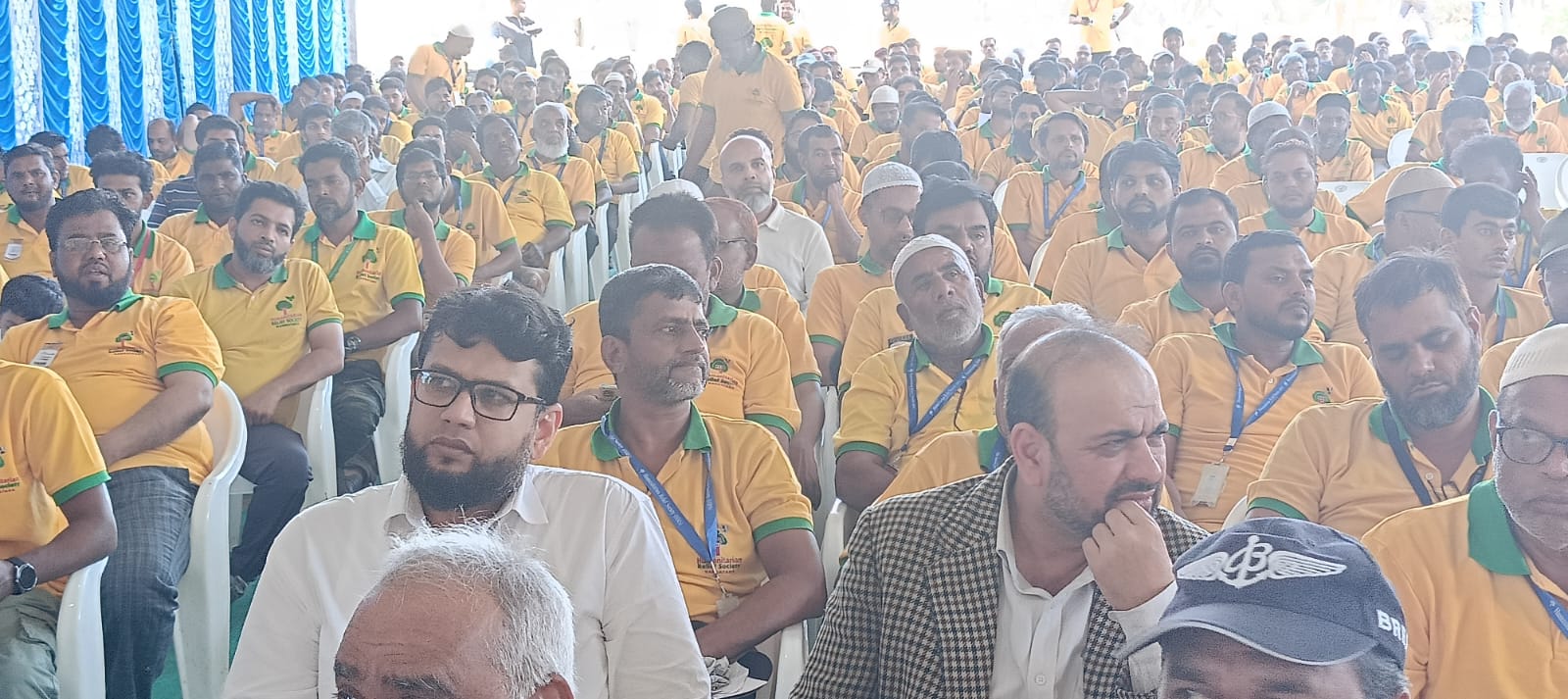
To reinforce their commitment, volunteers participated in a cultural session featuring na’ats, poetry, and dramatic performances that reflected the essence of humanitarian service. A campfire gathering allowed participants to bond over shared experiences, exchanging stories of challenges and triumphs.
Looking Ahead: A New Generation of First Responders
As the convention concluded, volunteers departed with more than just training certificates—they carried a renewed sense of purpose. With practical skills, expert mentorship, and an unwavering spirit of service, they are now better equipped to respond to crises, ensuring that when disaster strikes, relief will be swift and effective.
With HRS expanding its reach and impact, this convention marked a significant milestone in fostering a well-prepared and resilient community, ready to rise to any challenge.
0 Comments