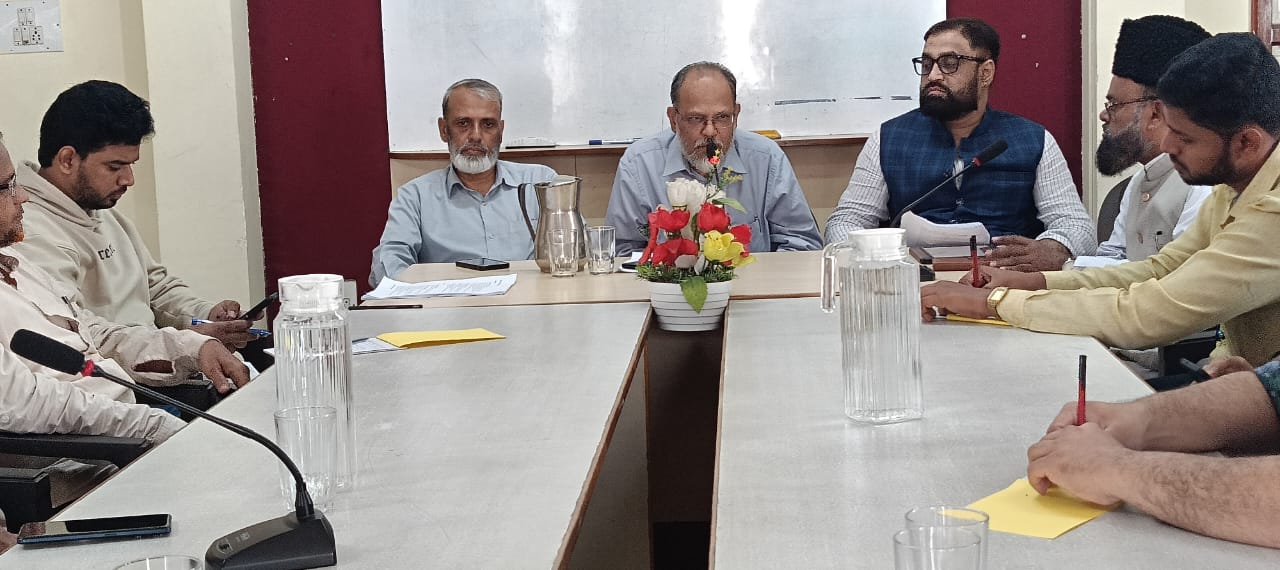
Bengaluru, December 7, 2024 — In a significant move aimed at shaping government initiatives for the welfare of minorities in Karnataka, Jamaat-e-Islami Hind, Karnataka, organized a high-level consultation to draft and propose innovative schemes for inclusion in the state’s upcoming (2025-2026) budget. The meeting, held at the organization’s state office, brought together a diverse array of experts, policy analysts, and community representatives to deliberate on pressing issues and chart a course for inclusive development.
Focus on Inclusive Development
Karnataka, with its substantial minority population, has consistently introduced schemes aimed at promoting education, economic upliftment, and social welfare for these communities. However, the need for more impactful and sustainable programs remains critical. Recognizing this, the consultation aimed to address existing gaps and propose targeted interventions in areas such as education, healthcare, housing, technology, and social services.
The session was inaugurated by the Ameer-e-Halqa, Dr. Bilgami Muhammad Saad, who underscored the importance of constructive dialogue and participatory decision-making in achieving equitable development. “This consultation is not just about identifying issues but also about presenting practical, actionable solutions that align with the aspirations of the community,” he emphasized.
Government’s Perspective
Mr. JH Makashi, Director of Minority Affairs, Government of Karnataka, provided a detailed review of the schemes implemented in the previous fiscal year. He highlighted both successes and challenges in their execution, stressing the importance of community participation in ensuring better outcomes. His insights provided a valuable foundation for the discussions, setting the tone for pragmatic and results-oriented proposals.
Deliberations on New Schemes
Under the guidance of Mr. Muhammad Atharullah Sharif, the participants engaged in a comprehensive and forward-looking discussion on potential new schemes. Key areas of focus included:
- Education: Proposals to enhance access to quality education, including scholarship programs, infrastructure development for minority institutions, and teacher training initiatives.
- Economic Empowerment: Discussions on skill development, entrepreneurship support, and access to microfinance for small businesses.
- Women and Youth Empowerment: Recommendations for targeted programs addressing the unique challenges faced by minority women and youth, such as vocational training and leadership development.
- Housing and Infrastructure: Ideas for affordable housing schemes and infrastructure development in areas predominantly inhabited by minorities.
- Technology and Innovation: Proposals to bridge the digital divide by introducing technology-focused education and innovation hubs.
Outcome and Next Steps
The deliberations concluded with a consensus on a set of actionable recommendations. These were compiled and forwarded to key government bodies, including the Director of Minority Affairs, the Chairman of the Minority Commission, the Board of Waqf Karnataka, and the Karnataka Minority Development Corporation (KMDC), through Mr. Muhammad Yusuf Keni, State Secretary of Jamaat-e-Islami Hind.
Community Engagement in Policy Making
The event highlighted the role of community organizations in shaping public policy and advocating for inclusive governance. Speaking at the event, Mr. Riyaz Ahmed Kopal, PRO, extended gratitude to the participants for their constructive contributions, while Mr. Talha Siddibapa, who served as the convener, praised the collaborative spirit of the meeting.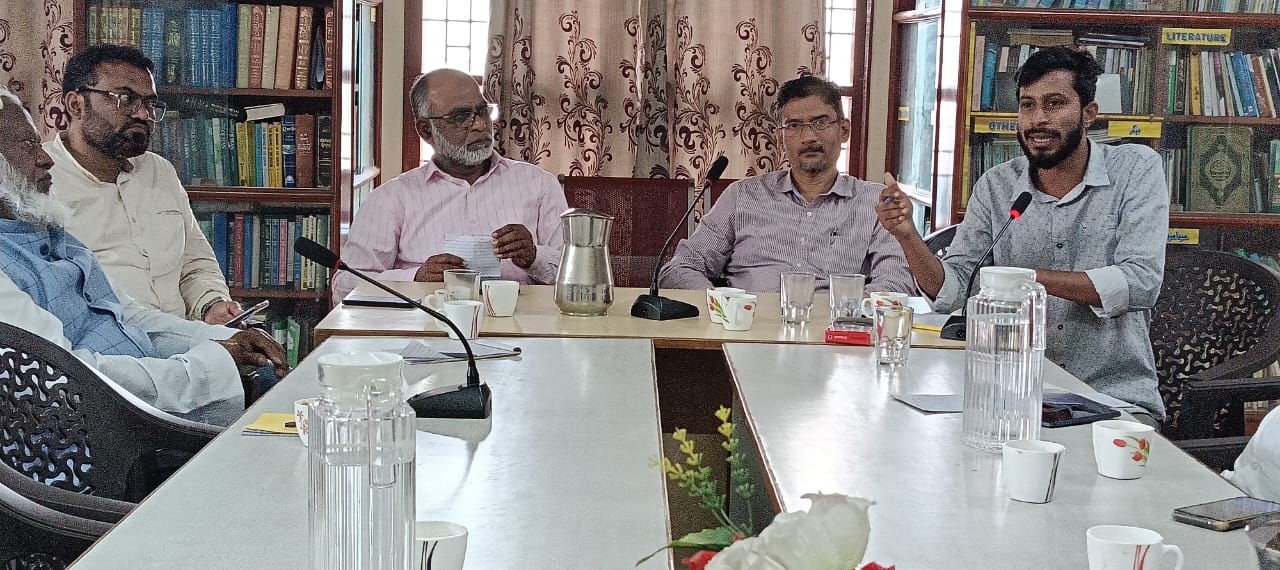
As Karnataka gears up for the next fiscal year, the proposals drafted in this consultation could play a pivotal role in shaping policies that address the real needs of minority communities, fostering a more equitable and inclusive society.
0 Comments